Interactive gym mirrors have changed the way people work out at home by combining smart technology with fitness training. These mirrors offer live and on-demand classes, real-time feedback, and personal guidance from trainers, making workouts much more engaging and effective. They are also space-saving, fitting easily into most rooms without taking up much floor space.
Users can choose from a variety of workouts, including strength training, yoga, cardio, and more. The mirror tracks movement, provides instant advice, and helps adjust the workout to match fitness levels and goals. This makes it easy for anyone to get a professional gym experience at home with the help of interactive features that keep routines fresh and motivating.
Key Takeaways
- Interactive gym mirrors provide smart, space-saving workout solutions.
- Users get personalized classes and real-time feedback.
- These mirrors support a wide range of exercise types.
What Is an Interactive Gym Mirror?
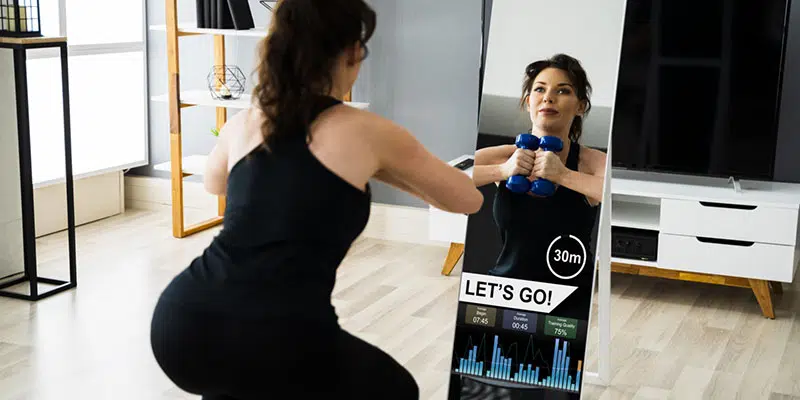
An interactive gym mirror is a smart fitness device that combines a reflective surface with a digital display and interactive features. People use these mirrors to stream workouts, track progress, and practice proper exercise form in real time.
How Interactive Gym Mirrors Work
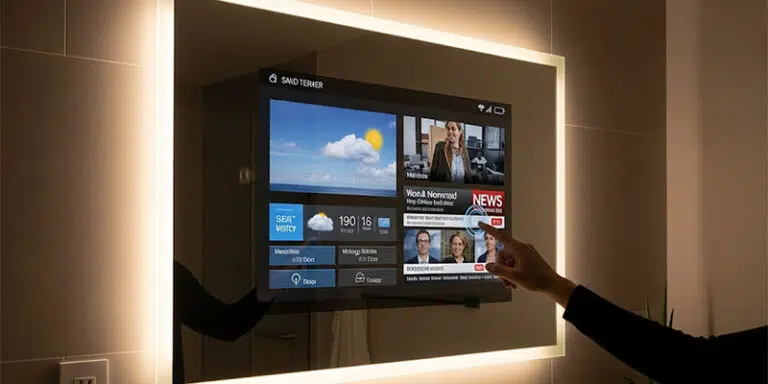
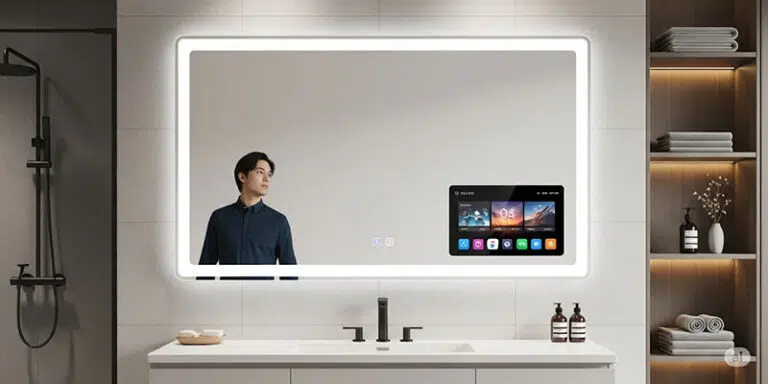
Interactive gym mirrors look like regular full-length mirrors but have a built-in screen and speakers hidden behind the glass. When turned off, the device is a mirror. When turned on, it displays workout videos, stats, and even real-time feedback.
Sensors or cameras embedded in some models track movements. These sensors help users correct their posture and form. Most devices connect to Wi-Fi, making it easy to access live and on-demand classes from home.
To use a smart workout mirror, users select a class from the interface or through a connected app. During the workout, instructions appear on the screen, and users can follow along while watching themselves exercise. Microphones, speakers, and Bluetooth features allow control by voice or through companion devices.
Key Features of Interactive Gym Mirrors
Common features include:
- Live and on-demand classes: Options range from yoga to HIIT, available at any time.
- Form feedback: Some mirrors, like the Tempo Studio, use 3D sensors to offer real-time movement correction.
- Performance tracking: Metrics such as heart rate, calories burned, and progress over time are easy to follow.
- Touchscreen or app control: Users interact with workouts through the mirror or a mobile device.
- Compact design: These mirrors are slim and can blend into any room when not in use.
Below is a table of typical built-in features:
| Feature | Description |
|---|---|
| Workout Library | Hundreds to thousands of classes |
| Real-Time Feedback | Posture and form correction |
| Integration | Connects to heart-rate monitors and wearables |
| Visual Display | HD screen behind the reflective glass |
| Speaker System | Built-in audio for instructions and music |
Popular Interactive Gym Mirror Brands
Several brands offer popular interactive gym mirrors. The Mirror is one of the best-known, with a wide range of class options and a sleek design. Tonal focuses on strength training and uses electromagnetic resistance instead of weights.
Tempo Studio stands out for its use of AI-powered feedback and 3D sensors. NordicTrack’s ProForm Vue also features a strong workout library and touchscreen controls. Forme Studio offers dual touchscreens and is known for advanced personal training content.
Fitness mirror brands usually charge a one-time fee for the device and a monthly subscription for classes. Buyers should compare features, space requirements, and subscription costs to find the mirror that best fits their needs.
Top Benefits of Using Interactive Gym Mirrors
Interactive gym mirrors use smart technology to make home workouts more effective and enjoyable. These mirrors provide feedback, offer live classes, support diverse exercises, and work with other fitness equipment for a complete at-home gym experience.
Real-Time Feedback and AI Technology
Interactive gym mirrors use built-in cameras and AI technology to analyze exercise form during a workout. This lets users see themselves while also getting instant corrections on posture and movement, much like a coach would provide in person.
They typically show visual or audio alerts to tell users if they need to adjust an exercise. This real-time feedback reduces the risk of injuries by encouraging safe and accurate movements. AI-driven suggestions help beginners learn proper form and let experienced users make progress by refining their techniques.
Many interactive mirrors track performance data, such as reps and sets, and monitor progress over time. This allows users to set goals and stay motivated. Real-time analytics and feedback help keep workouts more effective and engaging.
Personal Training and Live Classes
Smart fitness mirrors often provide access to personal training sessions and live classes led by certified trainers. These offerings can cover a wide variety of fitness styles, such as strength training, yoga, cardio, or Pilates.
Users can join live classes at scheduled times and interact with instructors and others through the screen. Trainers can sometimes see the user’s form through the camera and offer personalized feedback during class. For those with busy schedules, on-demand workouts are available to watch and follow at any time.
Key features include:
- 1-on-1 personal training sessions
- Access to a library of on-demand classes
- Options for group or private interactions
This variety and level of interaction give users a more social and structured fitness routine at home.
Versatile Home Gym Workouts
Interactive mirrors bring a wide range of exercises into the home gym. Users can choose from strength, cardio, flexibility, and balance workouts with just one device. This replaces the need for multiple, bulky pieces of workout equipment.
Many fitness mirrors present tailored workout plans based on user preferences or fitness level. Progress tracking and diverse class options encourage users to try new exercises, reducing workout boredom.
The slim design of the mirror saves space, making it suitable for apartments and small rooms. A table of available workouts might include:
| Workout Type | Examples |
|---|---|
| Strength | Bodyweight, Dumbbells |
| Cardio | HIIT, Dance |
| Flexibility | Yoga, Stretching |
| Balance | Pilates, Barre |
Integration With Home Fitness Equipment
Most interactive gym mirrors connect with other home fitness equipment using Bluetooth or Wi-Fi. They can pair with heart rate monitors, smartwatches, or resistance bands. This allows users to track more metrics during their workouts, such as heart rate or calorie burn.
The devices can also adjust workout difficulty automatically when paired with smart dumbbells or resistance tools. Integration helps users build a connected smart home gym setup, where data syncs across platforms and devices.
Syncing workout results from multiple sources helps people understand their fitness progress better. Seamless compatibility with a range of home workout gear creates a more engaging and flexible experience. This leads to more personalized and efficient workouts at home.
Interactive Gym Mirror Workout Types
Interactive gym mirrors offer a wide range of guided workout programs right from home. Users can explore options for building strength, improving flexibility, boosting cardiovascular endurance, and trying new fitness styles.
Strength Training and Muscle Recovery
Interactive gym mirrors include daily strength training classes. Users can choose between bodyweight routines or resistance band exercises. Some models guide lifters through weight-based strength workouts if they have dumbbells or kettlebells at home.
Popular categories include upper and lower body workouts, core training, and functional fitness. Mirrors often feature real-time feedback on form and posture. This helps reduce the risk of injury and supports safe muscle development.
Muscle recovery is also featured with on-demand stretching routines, foam rolling sessions, and mobility flows. These classes help muscles relax after intense exercise. Consistent recovery can ease soreness and improve future performance.
Example Strength Classes:
| Class Type | Equipment Needed | Typical Duration |
|---|---|---|
| Bodyweight Strength | None | 20-30 minutes |
| Resistance Bands | Resistance bands | 20-40 minutes |
| Recovery Stretch | Mat, foam roller | 10-20 minutes |
Cardio and HIIT Classes
Many interactive mirrors give users access to a variety of cardio and HIIT (High-Intensity Interval Training) classes. These workouts can include running in place, jumping jacks, burpees, and quick strength intervals.
HIIT sessions are designed for short, intense bursts of activity, often followed by brief rest. This makes them effective for burning calories and improving heart health in less time. Cardio workouts may focus on endurance, speed, or agility.
Some mirrors display stats such as heart rate, calories burned, and workout time. This can help users track progress and stay motivated. No special equipment is required for these classes, making them accessible for people at any fitness level.
Common HIIT Moves:
- Mountain climbers
- Squat jumps
- High knees
- Plank taps
Yoga, Pilates, and Barre
These mirrors also offer streaming classes for yoga, Pilates, and barre. Yoga sessions range from basic poses for beginners to advanced flows for experienced users. Many programs teach breathing techniques, balance, and flexibility.
Pilates routines often target core strength and stability. Popular sessions focus on improving posture or enhancing muscle tone. Barre workouts combine ballet-inspired moves with light weights or resistance bands to sculpt and lengthen muscles.
Guidance from certified instructors helps users develop correct form. Classes can be filtered by duration or skill level. Soft mats, small hand weights, or resistance bands are often the only equipment needed.
Sample class features:
- On-screen pose correction
- Stress-relief flows
- Targeted sessions for core, glutes, and balance
Boxing, Dance, and Specialty Workouts
Boxing-inspired classes on gym mirrors teach basic punches, footwork, and defensive moves. Some sessions add weighted gloves or shadowboxing for a full-body workout. These routines build both strength and cardio fitness.
Dance workouts offer choreographed routines in styles such as hip hop, pop, or Latin. Instructors break down moves step-by-step, making them accessible for beginners. Classes focus on rhythm, coordination, and having fun while moving.
Specialty workouts include functional movement, stretching, prenatal workouts, and sports-specific training. Interactivity allows users to modify routines based on their needs or fitness levels. Each class is built to target specific goals and keep exercise engaging.
Choosing the Best Interactive Gym Mirror for Your Needs
When shopping for an interactive gym mirror, buyers should examine product features, tech compatibility, and ongoing subscription costs. Key differences between leading models often come down to how well they fit personal exercise goals, room size, and preferences for digital coaching.
Comparison of Market-Leading Models
Popular options include the Tonal, Tempo Studio, Echelon Reflect, Lululemon Studio Mirror, and ProForm Vue. Each offers something different.
Tonal features built-in strength training handles and cables, making it more than just a mirror. Tempo Studio uses 3D sensors for form checks and includes weights, which appeals to those looking for a complete exercise machine.
Echelon Reflect is a more budget-friendly mirror focused on cardio and bodyweight workouts. The Lululemon Studio Mirror offers sleek design and a wide variety of classes, making it well-suited for yoga, dance, and pilates. ProForm Vue includes integrated weights and connects well with iFit membership.
Below is a quick comparison:
| Model | Strength Training | Live Classes | Weight Equipment | Space Needed |
|---|---|---|---|---|
| Tonal | Yes (built-in) | Yes | Cables/Handles | Wall-mount |
| Tempo Studio | Yes (free weights) | Yes | Dumbbells | Floor space |
| Echelon Reflect | No | Yes | No | Wall-mount |
| Lululemon Studio Mirror | No | Yes | No | Wall-mount |
| ProForm Vue | Yes (integrated weights) | Yes | Dumbbells | Floor/wall |
Subscription Services and App Integrations
Most gym mirrors require an active subscription to unlock all features. Cost varies, usually around $39 per month.
Tonal has its own app, offering strength, HIIT, and recovery sessions. Tempo and Lululemon Studio Mirror both provide access to large class libraries with live and on-demand classes. Echelon and ProForm Vue use platforms like iFit, which enables tracking, guided workouts, and challenges through the iFit membership.
Some mirrors can pair with fitness apps (Peloton, Apple Health) for increased workout variety. It is important to check whether the mirror syncs with the equipment and exercise platforms you already use.
Setup, Installation, and Connectivity
Installation steps depend on the chosen model and home space. Wall-mounted gym mirrors like Tonal and Lululemon Studio Mirror usually require professional installation due to their weight. Floor-based options like Tempo Studio are easier to move but take up more room.
Connecting to Wi-Fi is standard for all models. Most units use Bluetooth for heart rate monitor pairing or connecting to headphones. USB ports or HDMI connections are less common but may be found on some models for charging or external use.
Setup usually takes less than an hour but may require two people for heavy equipment, especially if weights are included. Reliable internet is necessary for streaming and class participation.
Smart Features and User Experience
Interactive mirrors come with built-in cameras or motion sensors for tracking form, correcting technique, or coaching in real time. For example, Tempo’s 3D sensors give form feedback, while Tonal uses digital weights and tracks every rep.
Touchscreen navigation is common, and some mirrors support voice commands. Class type, music choices, and instructor styles differ by brand, allowing users to find what best fits their exercise routine.
User profiles, history tracking, and personalized recommendations are standard. iFit and other memberships provide extra guidance, integrating both fitness equipment and exercise machine data to personalize workouts even further.
Frequently Asked Questions
Interactive gym mirrors combine digital workouts with real-time feedback. Key features to look for include variety of classes, integration with apps, hardware quality, and clarity on costs like subscriptions.
What are the top-rated workout mirrors for a home gym setup?
Some of the best-rated interactive gym mirrors are the Lululemon Mirror, ProForm Vue, Echelon Reflect, and FITURE. Each offers different workout programs and interactive experiences.
The Lululemon Mirror is well known for its sleek design and wide selection of live and on-demand classes. ProForm Vue and Echelon Reflect are also praised for user-friendly interfaces and solid workout libraries.
How do fitness mirrors integrate with personal training apps?
Many gym mirrors connect to training apps using Wi-Fi or Bluetooth. Users can sync their progress, schedule classes, and even connect wearables like heart rate monitors.
Some mirrors support popular fitness platforms, while others use their own apps for personalized feedback and tracking.
Are there options available for fitness mirrors without ongoing subscription fees?
A few fitness mirrors allow access to basic functions without a subscription. These may let users use the mirror as a regular mirror or replay pre-downloaded workouts.
Most premium features and live classes usually require a monthly fee. It’s smart to look for mirrors that explain their pricing before buying.
What features distinguish the Lululemon fitness mirror from its competitors?
The Lululemon Mirror stands out due to its slim profile, easy wall-mounting, and social features like live group classes.
It provides a large choice of workout types, including strength, yoga, and cardio. The user interface is simple, and the interactive elements feel natural during workouts.
What should I consider when choosing the best fitness mirror for my needs?
Look at class variety, video and audio quality, connectivity options, and the space required. Check if the mirror works well with apps or devices you already use.
Budget, monthly subscription costs, and available features like personal training are important to compare.
How does the ProForm Vue compare to the Echelon Reflect in terms of functionality and value?
The ProForm Vue comes with built-in storage for weights and supports full-length training sessions with video feedback. It often bundles equipment with the mirror.
Echelon Reflect offers a similarly interactive experience but focuses more on streaming a large variety of live and on-demand classes. It may have a lower price, but the class selection and overall experience can be different depending on user preferences.